Medical technology, medical gloves, painkillers
CYROLITE® molding compounds are the most advanced developed polymer in the world on a PMMA-basis for medical technology. Typical applications made from CYROLITE® multipolymers include medical disposable items, such as IV and catheter accessories, blood/plasma separators, and thorax drainage sets, as well as medical filter and device housing.
Ibuprofen – to ensure that the synthesis of selected materials runs smoothly in the production of medicines, pharmacists also use cyanide from CyPlus®.
Nitrile butadiene rubber (NBR) gloves are often used in the medical field because of their outstanding elasticity, high tensile strength, acid- and alkali-resistance, and non-allergenic properties. To manufacture these medical MBR gloves, butadiene and acrylonitrile are polymerized. With just small amounts of MERACRYL® methacrylic acid GMAA and NBR, the tensile strength, tear resistance, hardness, and wear resistance can be significantly improved and the resistance to adhesion and ozone-deterioration can be optimized.
Poly-HEMA (hydroxyethyl methacrylate) is a material used for soft contact lenses. As early as 1961, the inventor Dr. Otto Wichterle produced the first hydrogels and contact lenses from it. HEMA is particularly suitable for contact lenses that are worn for short periods, such as sports lenses, since the limited oxygen permeability is less critical in these cases.
PMMA, which was used in the past, is no longer employed for rigid contact lenses today due to its lack of oxygen permeability. However, its history remains of interest, especially as it is closely associated with the name of the Kiel-based engineer Heinrich Wöhlk.
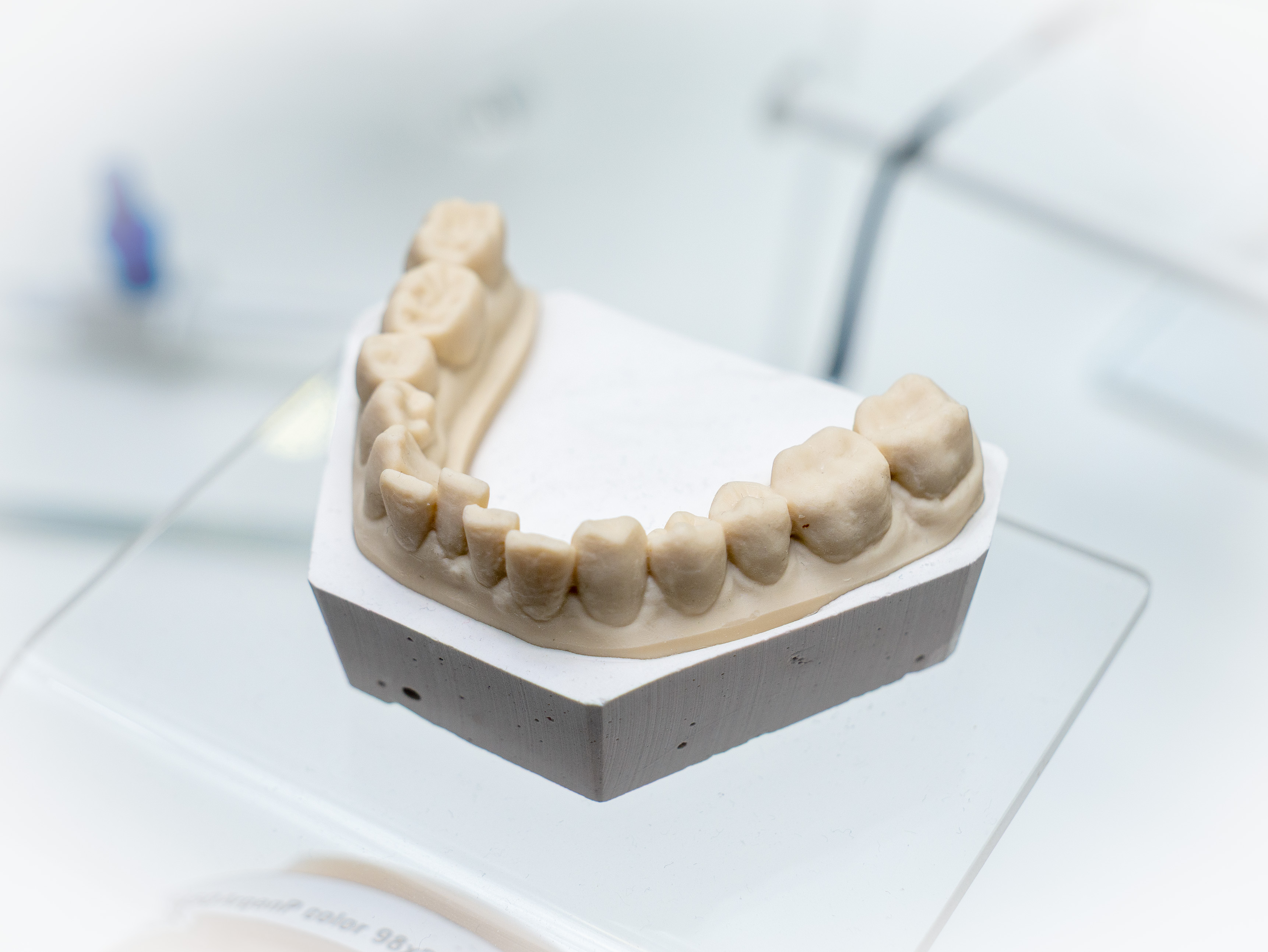
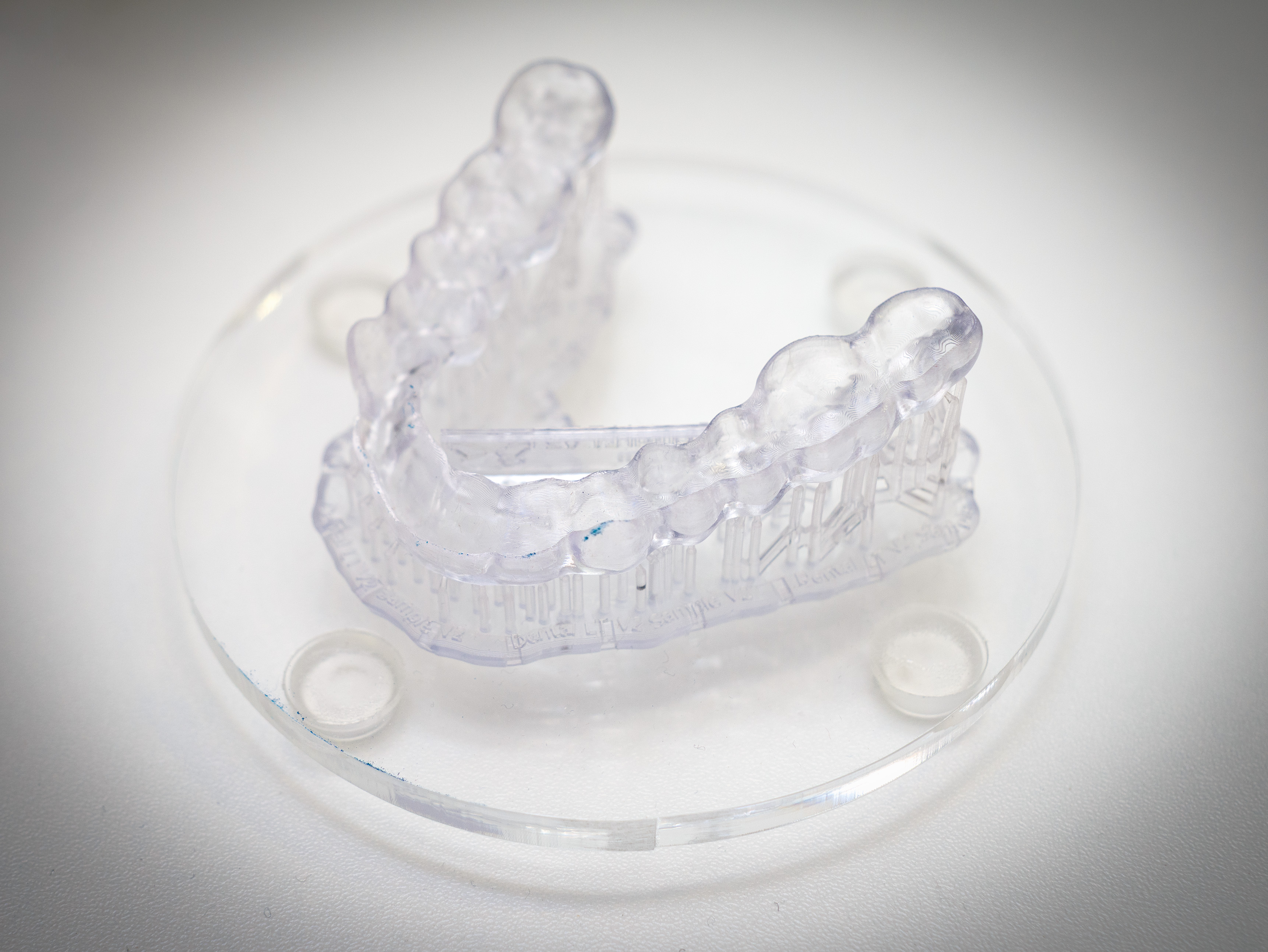
PMMA is a versatile material that is used in dental technology, among other things, for the production of full dentures, fillings, and long-term temporary restorations. The material stands out for its high fracture resistance and color stability. In addition, its dense surface makes it less susceptible to plaque accumulation.